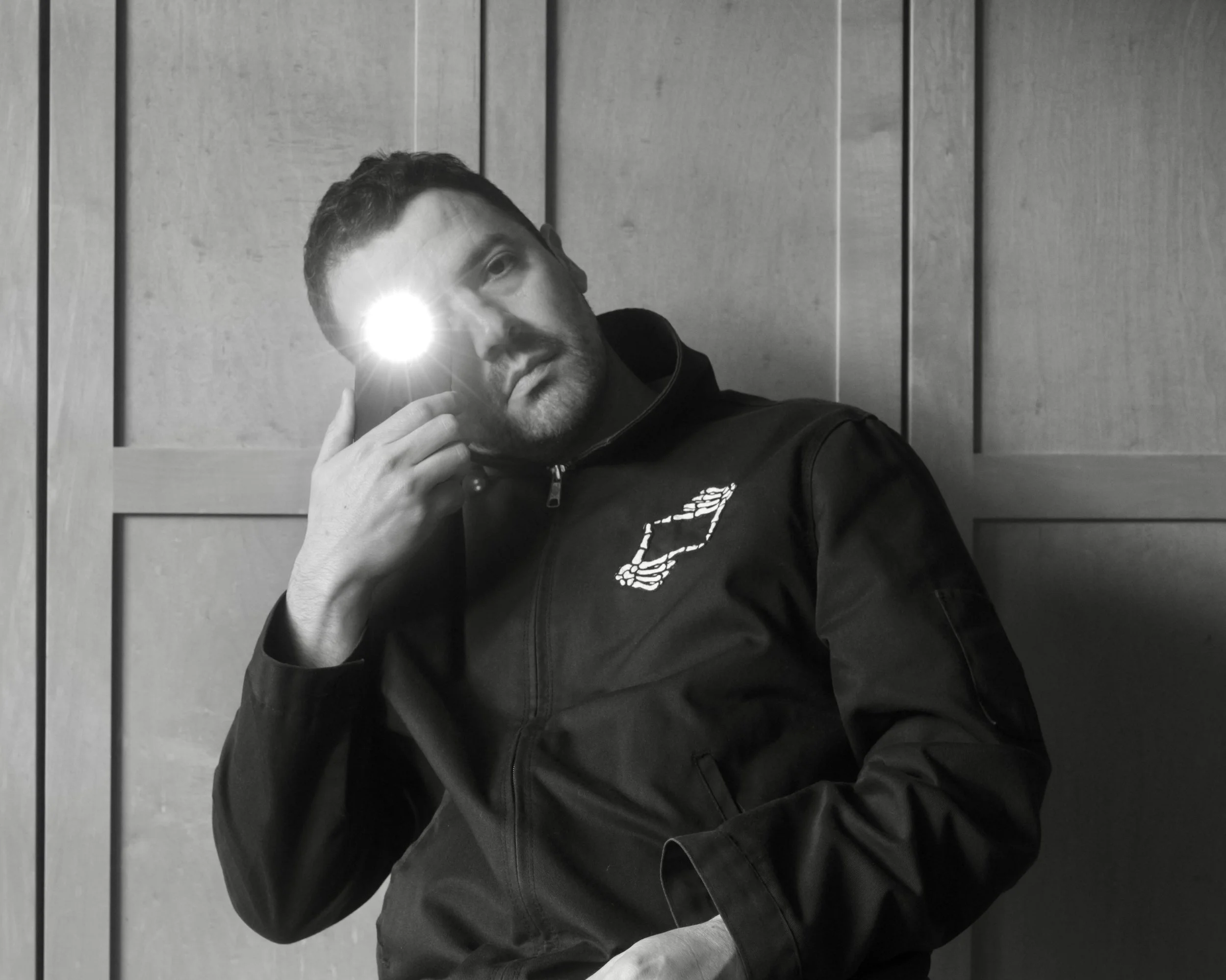
Gabriel Noguez is a Mexican documentary filmmaker, cinematographer and photographer based in Los Angeles.

Born and raised in Tijuana, México, he studied Film and Television at UCLA with a specialization in documentary filmmaking, where he developed an intimate and poetic approach to visual storytelling under the mentorship of cinema vérité pioneer Marina Goldovskaya and artist and filmmaker Rebeca Méndez.

Influenced by photographers and filmmakers such as Saul Leiter, Gabriel Figueroa, Gregg Toland, Henri Cartier-Bresson, and Ingmar Bergman, Gabriel approaches the camera as both a sketchbook and an instrument of intuition.

Read Full Bio ```

In 2011, Gabriel and two of his closest friends founded Ceremony, an independent film company producing short films, documentaries, music videos, and commercial work. Through Ceremony, they collaborated with clients including Nike, 88rising, and J.P. Morgan, developing a visual language rooted in documentary storytelling, cinematic atmosphere, and youth culture.

He currently serves as Senior Media Producer at the Hammer Museum at UCLA, where he directs and produces documentary films, artist portraits, exhibition trailers, and exhibition-related media centered on contemporary art in Los Angeles.

Previously, Gabriel worked as a video director and editor for GoPro, traveling internationally to create short documentaries, and has collaborated on creative productions for organizations including Apple.

His recent documentary work includes The Hero Avenges, a film on Vietnam veteran, former Black Panther, and artist Akinsanya Kambon, exploring themes of history, resistance, and artistic transformation.

Drawing from more than five years directing artist documentaries at the Hammer Museum, Gabriel is interested in bringing a documentary sensibility into narrative filmmaking: working with a small crew, spending long periods immersed in environments, and searching patiently for the emotional essence of an artist rather than a conventional biopic. He is currently developing a feature film about Henri Cartier-Bresson’s formative years in 1930s México City, a period when post-revolutionary energy, surrealism, radical politics, and artistic experimentation transformed the city into one of the great creative capitals of the twentieth century. Penniless when he arrived, carrying little more than a Leica camera, the young photographer moved through cafés, streets, cantinas, and artist circles that would permanently shape the way he learned to observe and move through the world with a camera.

```